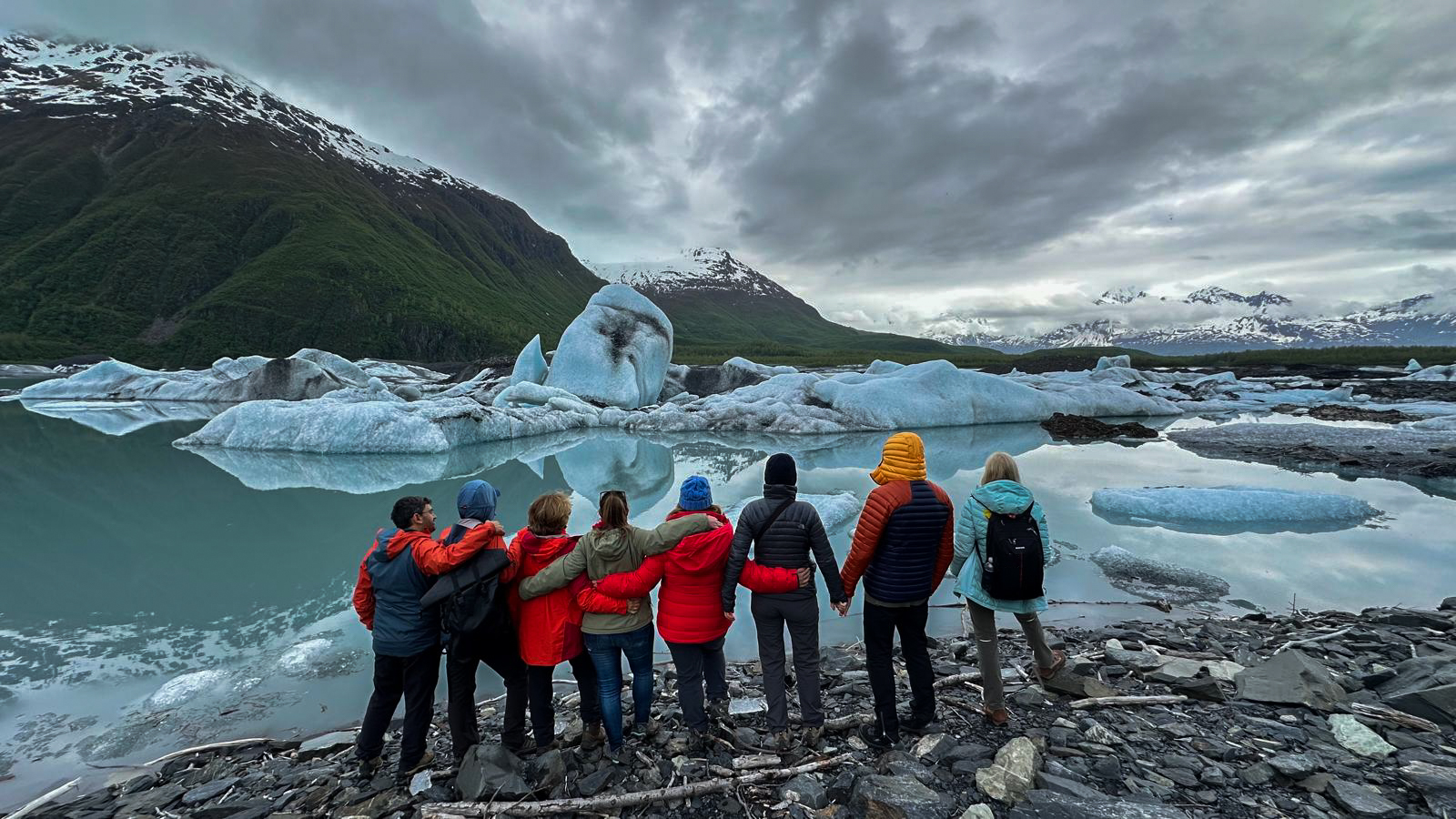
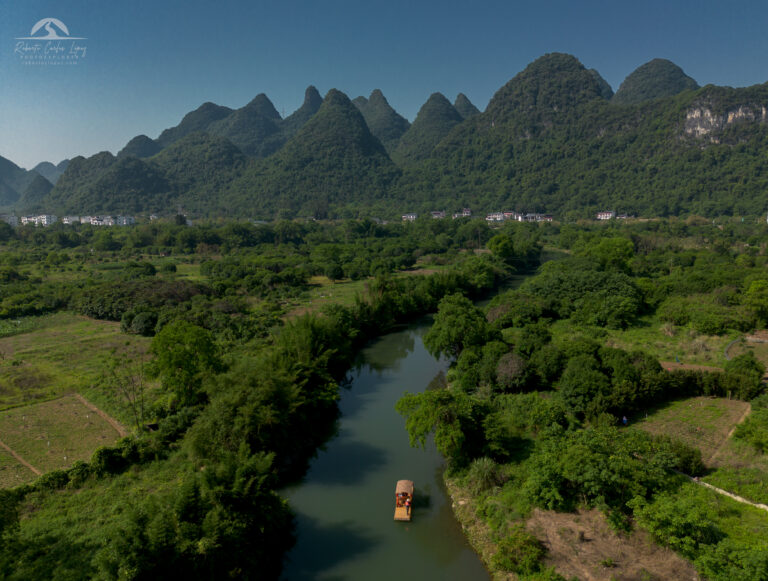
Situated in the heart of Central Asia is the small independent republic of Kyrgyzstan. Huge mountains and unexplored valleys, glaciers, gorges and ice-blue lakes dominate over 90% of the country. Nomadic traditions are still alive in Kyrgyzstan. Discover a land of vast open landscapes, minority cultures and ornate treasures…
Hike through the traditional mountain homelands of yurt-dwelling nomadic shepherds, climb one of the numerous virgin peaks and marvel at the wonders of the high altitude mountain ranges…
Kyrgyzstan Wildlife
The wildlife found in Kyrgyzstan is amazing rich and diverse. Mammals are represented by 83 different species, including Mountain Sheep (arkhar), Bears, and “Maral” in the spruce forests of the Tien-Shan and in the Ak-Sai, Arpa, and Suusamyr highly mountain valleys. The mountain ridges and valleys provide homes for Foxes, Wolves, Badger, Weasel, Ermine, and Stone martens. In some regions it is also possible to find Snow leopard (Bars), Wild boar, Roe deer, Siberian Goat, Porcupine, Hedgehog, Hare, Marmot, “Andatrum”. There are 25 species of reptiles including tortoises, lizards, and snakes, (some of the snakes are poisonous). Ornithologists can spot a wide variety of bird-life, which includes some 335 species.
The people
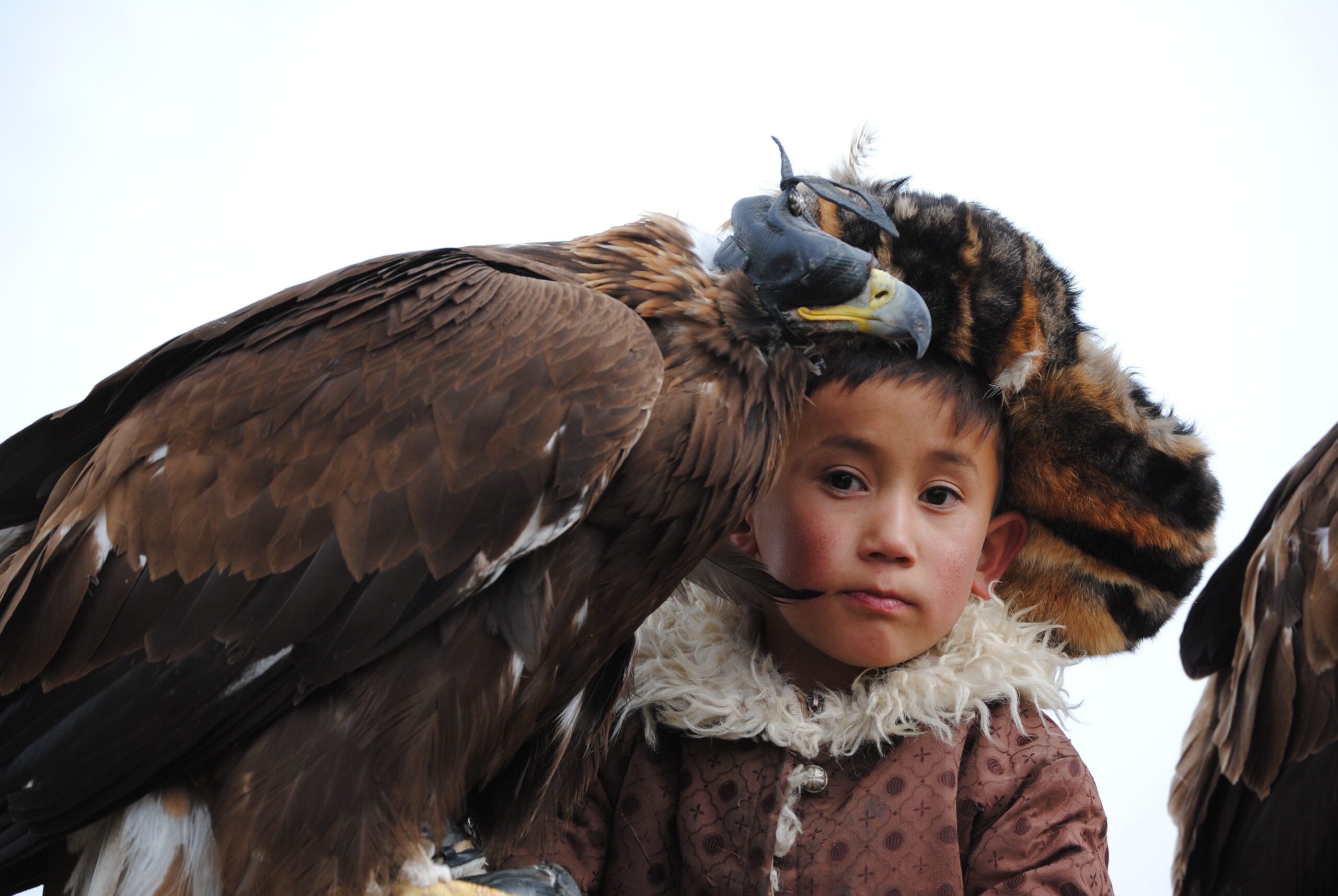
The Kyrgyz people belong to one of the most ancient nations in the world. The first written evidence of the Kyrgyz people as a nation was found in Chinese chronicles dated 2000 BC. The ancient Kyrgyz populated the territory of northwestern Mongolia, and soon became one of the most powerful nomadic tribes. According to popular interpretations, the 40-ray sun on the flag of Kyrgyzstan symbolizes the forty tribes of Manas.
Bringing up a healthy generation, strong enough to preserve purity and multiplication of wealth resources of a tribe, its honesty and dignity was a tribal concern in Kyrgyzstan.
Besides Kyrgyz, the country’s population includes minorities of Russians, Uzbeks, Ukrainians, and Germans (exiled to the region from European parts of the Soviet Union in 1941), as well as Tatars, Kazakhs, Dungans (Hui; Chinese Muslims),Uighurs, and Tajiks.
What places do we visit?
Tien Shan - Lying mainly in Kyrgyzstan and northwestern China , its ranges and valleys stretch for about 1,500 mi (2,500 km) in an east-west direction. Its highest point is Victory Peak (Pik Pobeda) in Kyrgyzstan, which reaches 7.439 m.
Pamir - Mountainrange wich includes many peaks that are higher than 6.000 m in elevation, as well as many glaciers. Its highest point, Imeni Ismail Samani (Communism) Peak, rises in the northwestern part of the range to an elevation of 7,495 m.
Lake Issyk-kul – is the second largest alpine lake in the world, measuring over 170km in length and 70km at its widest point.
Inylchek Glacier - one of the largest non-polar glaciers in the world, carves its way slowly downhill, overlooked by the pyramidal peak of Khan Tengri and the massive bulk of Pik Pobedy.
Who travels with us to Kyrgyzstan?
Looking for high passes, plenty of wildlife, and stunning vista?
Wanna do some off the beaten alpine climbing?