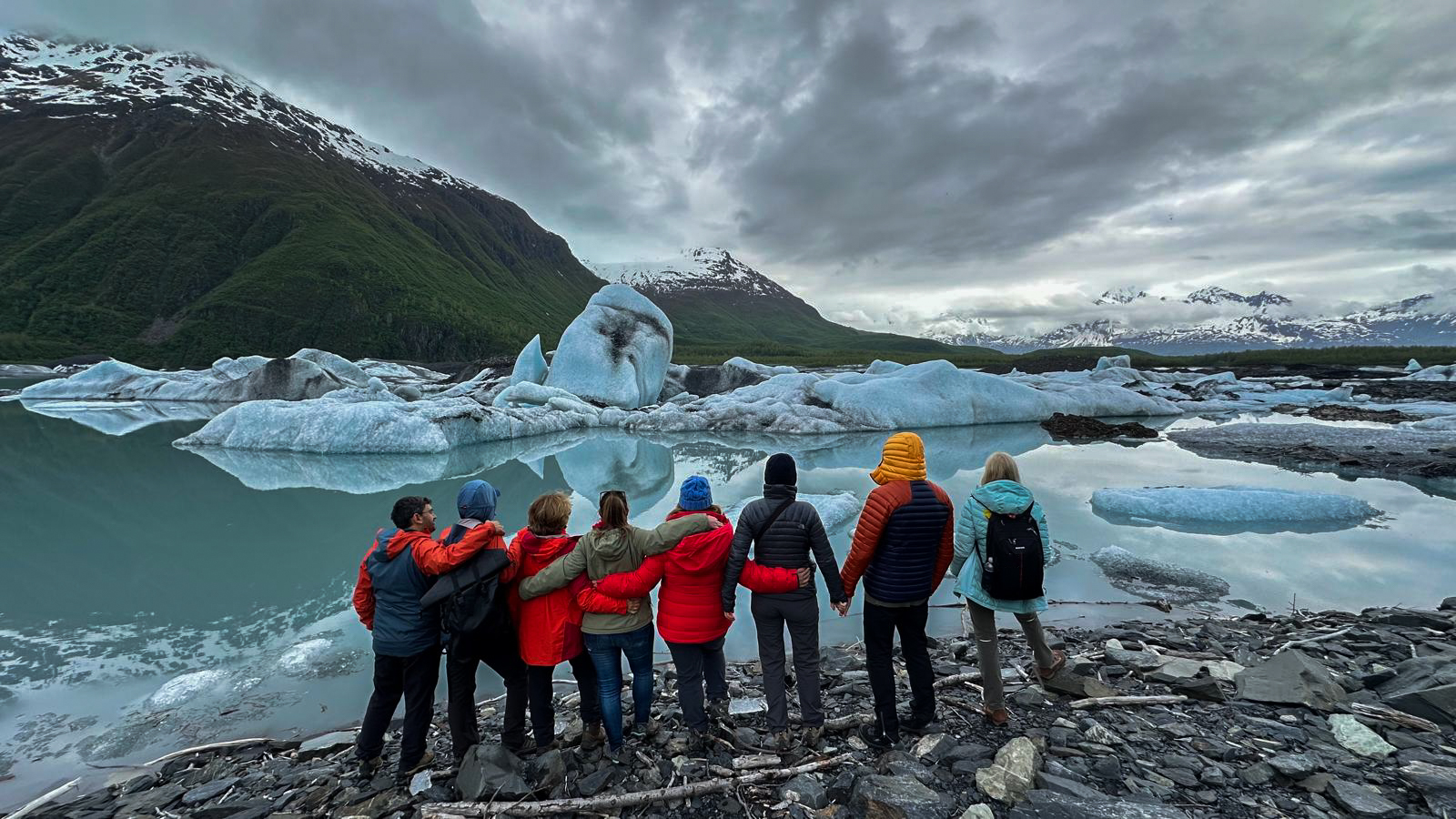
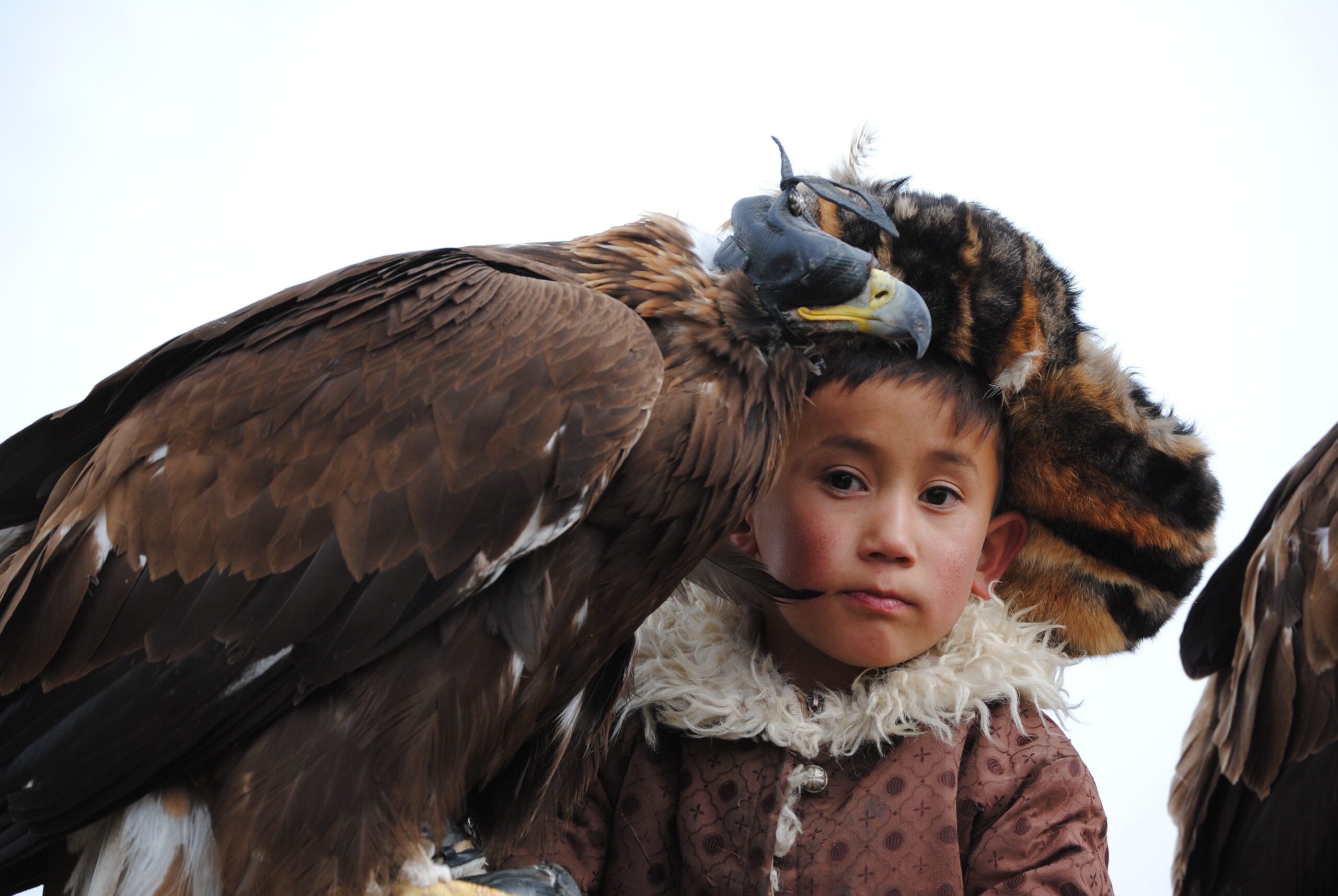
Adventure travellers, who like to push things to the max, should be well informed about adventure travel survival and safety tips. Being prepared is imperative if one wishes to travel safely and enjoy their adventure immensely. Oftentimes, the unforseen can have an adventure traveller in a very dangerous predicament.
Exploring deserts, hiking through jungles, diving expeditions and so forth, all have their risks. Whether visiting remote areas, diving from tall cliffs, hiking in the wilderness or engaging in other exciting adventure travel, this tipswill help you to increase your personal safety awareness.
Yes, they are exciting, but they can be dangerous as you have no control as to what will happen while on travel.
Because of such fact, some sorts of safety preparations must be considered before the traveler departs from home. Doing some kind of homework before you leave can be a great move to take as it can help lessen the chances of mishaps to occur. So when considering an adventure travel with your peers, make sure that you are prepared enough for whatever is involved. Know the destination, the guides, and what you are about to do. Most of all, make sure that you know yourself.
Consider the Safety of Your Trip
When choosing an adventure travel, one of the most important things that every traveler can to do to avoid dangers along the way is to research about the destination and the trip. Know the level of your adventure, whether it is extreme or unusual, and think about the possible dangers associated with such kind of activity.
Also consider the tour guides. Don’t think that because you have a tour guide, you’re safe. Well, that doesn’t apply all the time. Having a guide, in fact, doesn’t eliminate the risk. Understand that there a number of unexpected situations that your guides can’t control, no matter how powerful and strong they are. In relation to this, don’t easily think that because you will be part of a group, you will be safe. Again, that’s not always true. So best thing you can do now is to carefully research the company your will be dealing with, including their tour guides. Make sure that the company is responsible enough to handle every adventure.
Know What to Do and What to Expect from Your Travel
An adventure travel is a very demanding investment. So before you leave, be sure to know what to expect and what to do on your trip. You can ask about the foods and accommodations, the gender, age and interests of your fellow adventurers. Also, assess your own skills. Also make sure that you are physically and mentally ready for your adventure travel.
Know Yourself
Knowing oneself is by far the best thing that every person can do when consider an adventure travel. So ask yourself if the activity you are considering is what you really want. Also know your own condition, whether you are fit enough or unfit for the adventure travel. Well, the best way to know your own condition is to get a medical advice from your doctor. Simply find out if the adventure travel is best for you or not. If not, then look for an alternative, something that your health can tolerate.
Research Your Destination and Prepare
It is important to do a little research before embarking on your expedition, especially if you will be traveling to unfamiliar places. It’s a good idea to see your physician for a complete check up to be sure that you are healthy and able to participate in all of your planned activities.
Additionally, if you plan to travel to a developing country or a tropical location, ask in advance about any recommended vaccinations or medications that you will need. For example, travelers to Africa, Thailand, and India should begin a course of malaria tablets four to six weeks before departure. Malaria can be deadly, so getting on anti-malarial medications is imperative. While you are scheduling appointments, make one to see your dentist, too. Untreated decay can be especially troublesome on airplanes, where air pressure can make body cavities expand, most notably those of the ears, sinuses, and teeth.
Packing The Basics
Wise travelers assemble a few basics before heading out the door. Pain and fever reducing medication, antihistamine tablets, a thermometer, sunscreen, and anti-diarrhea medicine are the basics, but depending on your destination, you may want to pack additional items. Water sterilization tablets can be useful since one sure way to ruin your holiday is by contracting a case of “traveler’s diarrhea.” Children can have especially sensitive stomachs, so if you are traveling with youngsters, be cautious about allowing them to drink anything but factory-sealed beverages. For babies, be sure to pack some commercially prepared infant formula if you are not breastfeeding.
Insect repellant is a must in some locales, and the ones that offer the best protection contain DEET. For youngsters, be sure that the percentage of DEET does not exceed 20%. Infants under two months of age should not be treated with insect repellant, so be sure to cover their skin well to avoid bites.
If you take prescription medications, it is wise to pack an extra supply — one in your regular baggage and one in your carry-on. That way, if the airlines lose your luggage, which they are prone to do, you will still have convenient access to your medicines. Keep a listing of all of your medications with you, as well as contact information for your GP; if you need to have a prescription refilled while traveling, it will make it much easier to do so.
Prepare and Look After Your Body
Although you are certainly going to be a bit excited in anticipation of your trip, be sure to take good care of yourself beforehand. Eat sensible, nutritious meals and be sure to get your rest. Even the best holidays can be a bit taxing, so be sure to start out in your best condition.
Once you are on your way, you’ll still need to make good choices in order to remain safe and healthy. Beware of dehydration, it can really zap your energy and lower your resistance to everything from jetlag to infection. So be sure to sip plenty of fresh, clean water on the airplane. Drink before you feel thirsty; by the time you feel the need, you are already mildly dehydrated. Also, make an attempt to get up and move about the plane. Not only will you help yourself to feel a little more alert, but you will minimize your chances of having your legs and feet swell, which can be painful and sometimes even dangerous. If you are taking a long flight, try to get adjusted to the time change as quickly as possible. Make an attempt to eat and sleep according to your destination’s time zone so that you will waste as little precious holiday time as possible feeling out of sorts.
Finally, upon arrival, be sure to maintain your healthy habits. Use sunscreen with a sufficiently high SPF factor and reapply it frequently. For children, be sure that the SPF factor is at least 40. You packed some insect repellant, so be sure to use it as necessary. Maintain your hydration by choosing bottled water and fruit juices. Avoid tap water and ice cubes, especially in undeveloped areas. Wash your hands frequently; if fresh water is scarce, make use of antibacterial hand gels, which are widely available.
Packing properly for a holiday can make all the difference in the world. So take a few extra items along — most importantly, be sure to pack your good, common sense.
Sources
safetravel.co.uk / travelwizard.com